
Fun Human Body Science Board Games for Kids and the Family
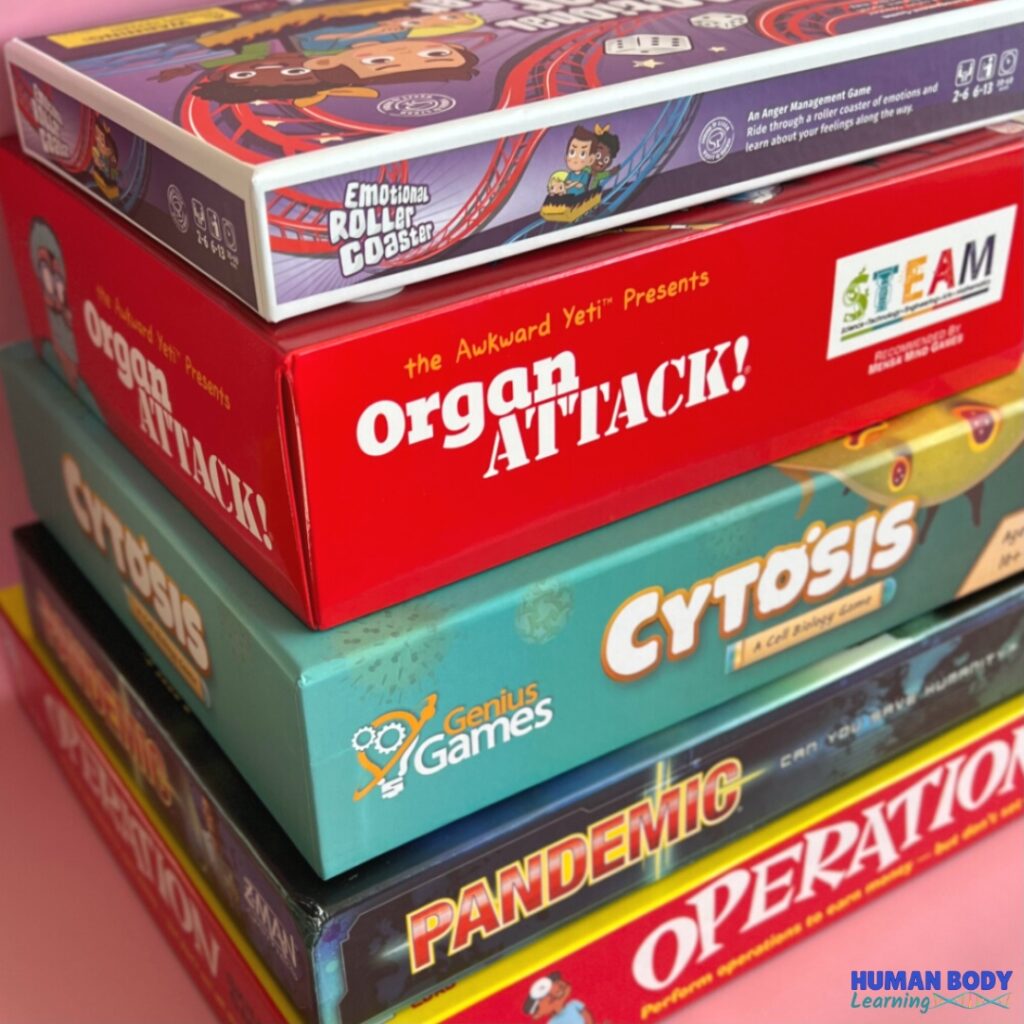
Did you know that you can learn medical science from board games? While playing with friends, family, or classmates, STEM board games can teach anatomy facts to kids and adults of all ages.
Learn the names of organs, how germs spread, and more science at home or school!
Remember these medical science board games the next time you have to get a gift or invite friends and family over.
Best body science board games for kids and the family
Do you have a child in elementary, middle, or high school? These science board games are great for many ages and developmental levels. Some games are short and simple, while others are more complex and challenging.
Operation Medical Board Game for Kids
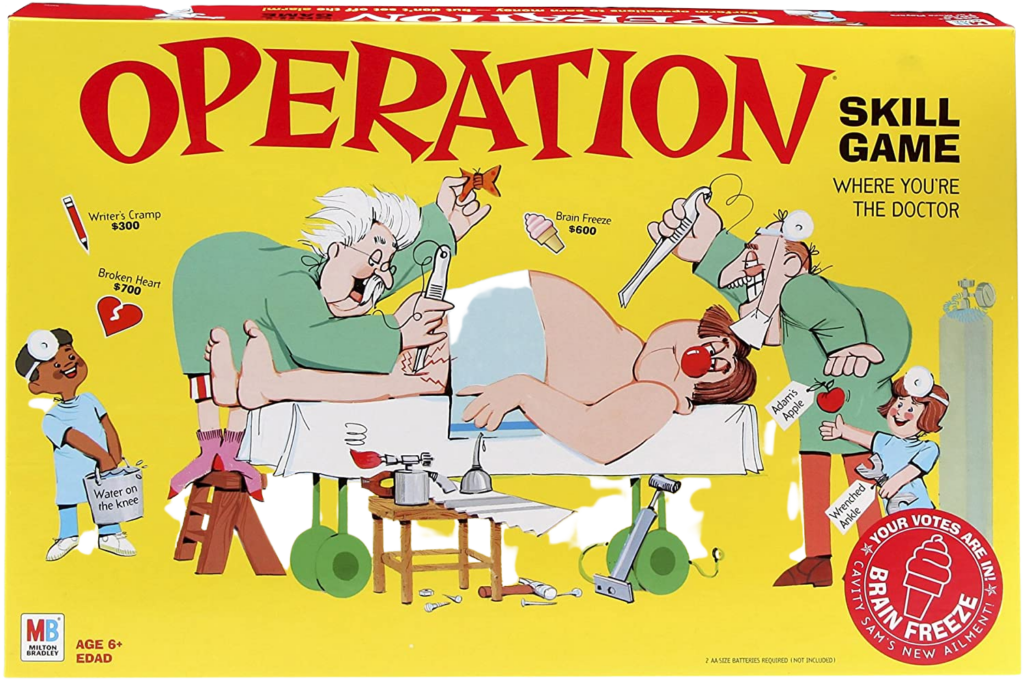
This timeless game is an interactive way for kids to practice being a doctor and pretend to perform surgery! Draw cards with punny disease names, such as Charlie Horse and Writer’s Cramp, and try to cure the ailments without setting off the vibrating buzzer. If you can operate quietly, you can earn the money shown on the back of the card.
Note: This game may not be appropriate for players sensitive to flashing lights and buzzing sounds.
- Number of players: 1 or more
- Age range: 6+
- Average playing time: 15 minutes
Pandemic Science Board Game
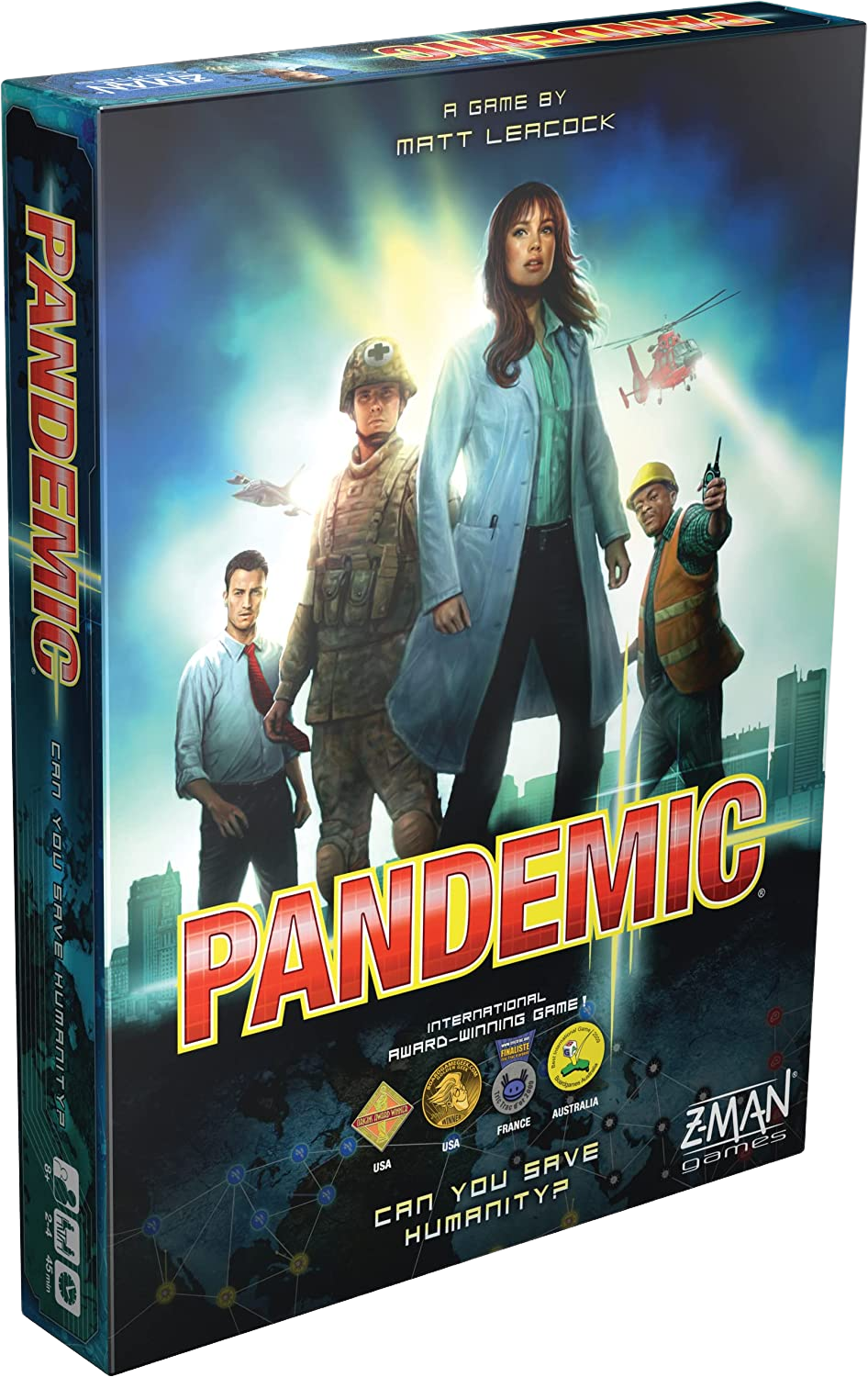
Yikes! Four contagious diseases threaten the world, and players collaborate to save the cities from outbreaks. The board features a world map, and players must use their expertise to meet with other scientists and find a cure. Like real pandemics, teamwork is crucial. layers win or lose together.
Beware of small parts (choking hazard) for children three years and under or those still in the mouthing stage.
- Number of players: 2 to 4
- Age range: 8+
- Average playing time: 45 minutes
Organ Attack
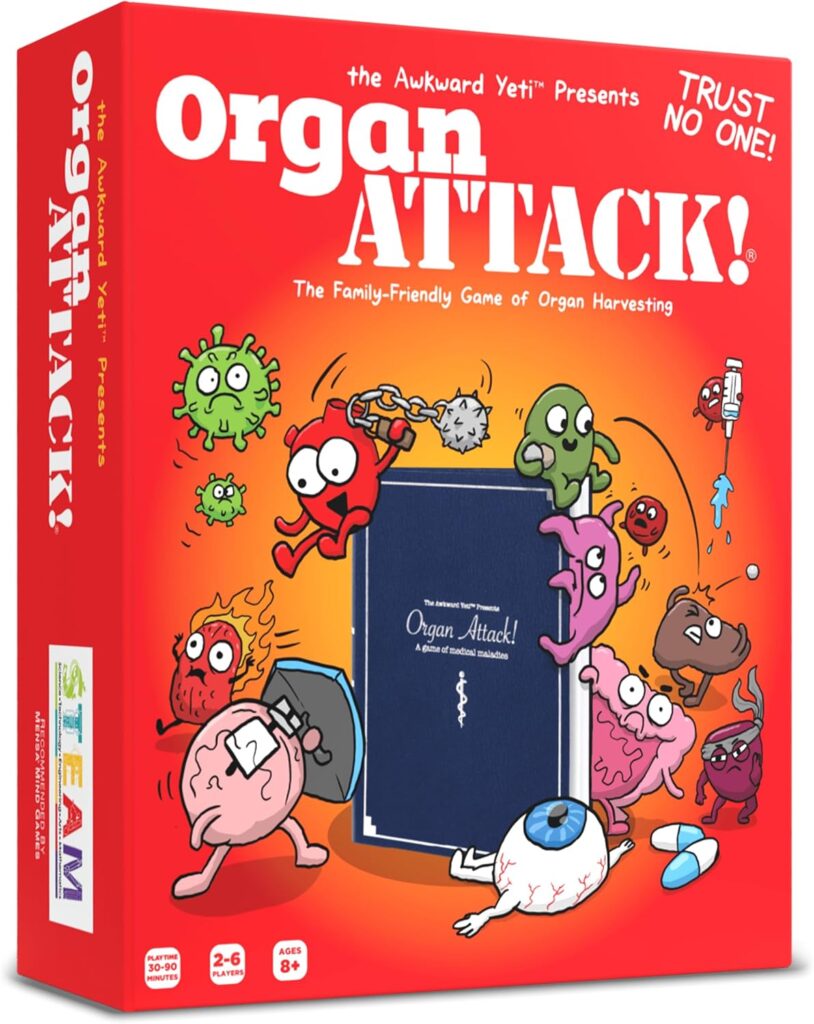
Who knew that science could be silly? Kids, teens, and adults can have fun learning about the human body by “harvesting” organs through this hilarious board game. Steal your opponent’s organs before they take yours. Use immunity, affliction, and other tactical cards to protect your organs while inflicting disease on your opponents.
- Number of players: 2 to 5
- Age range: 8+
Poo Pocalypse Card Game for Immature People
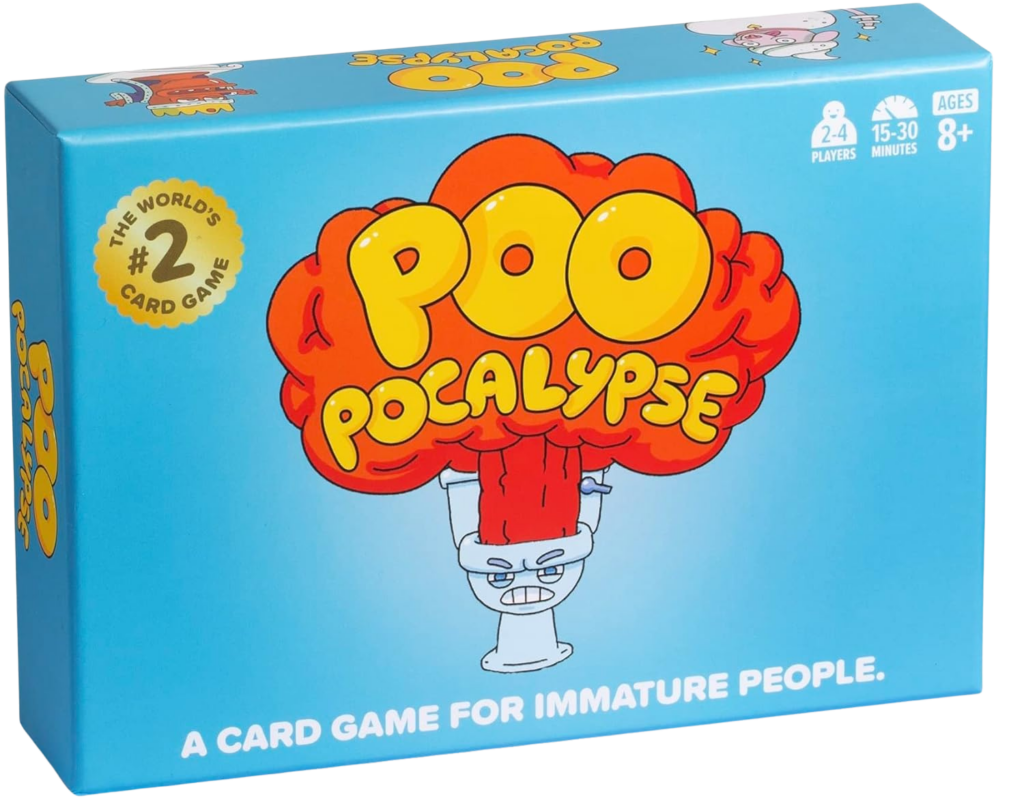
Warning: this silly science game is not for serious people. The goal of the card game is to build a poopy pyramid while opponents try to sabotage you with crap attacks. Pair this game with a healthy conversation about bowel movements and a printable poop diary.
Number of players: 2 to 4
Age range: 8+
Average playing time: 20 minutes
Virulence Card Game
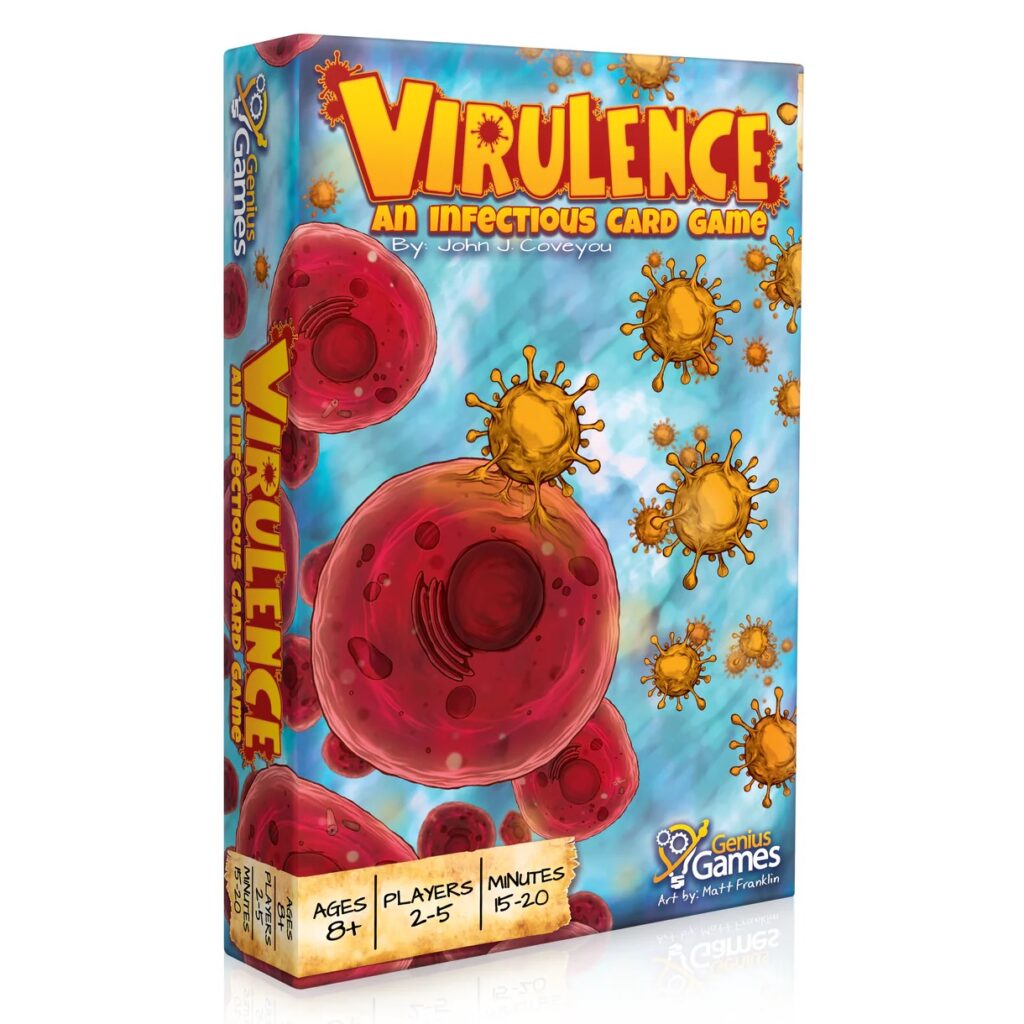
This fun and simple card game is great for science class or family game night! Practice important virology vocabulary while you compete to infect other cells.
Number of players: 2 to 5
Age range: 8+
Average playing time: 10 to 15 minutes
Cytosis Cell Biology Science Board Game
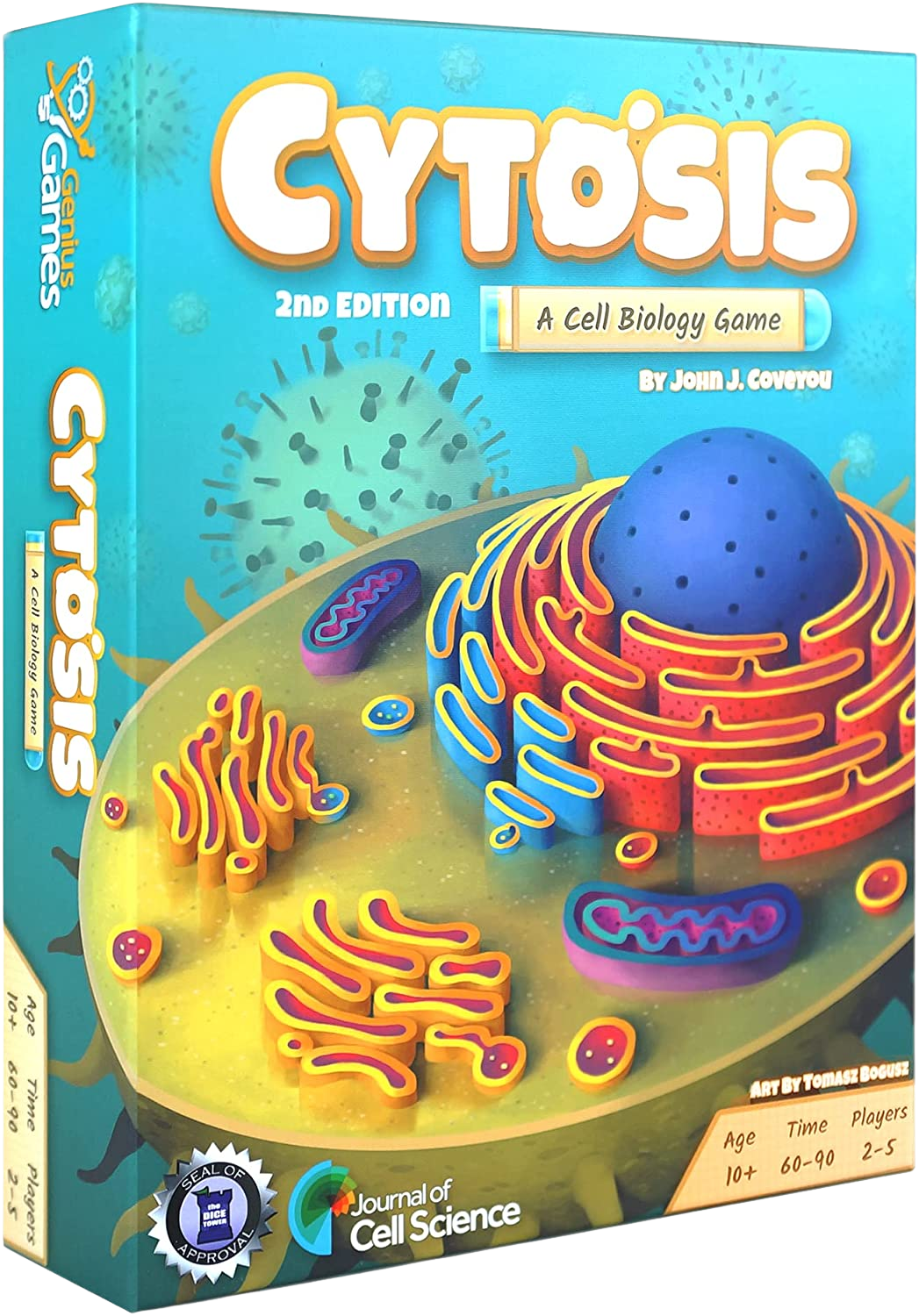
This science board game takes place inside a human cell. Each player controls scientific cell actions, like making ATP, creating molecules, and using RNA to build proteins. The player with the most “health points” wins the game, but everyone wins because they are learning biology through play.
- Number of players: 2 to 5
- Age range: 10+
- Average playing time: 60 to 90 minutes
Peptide – A Protein Building Game
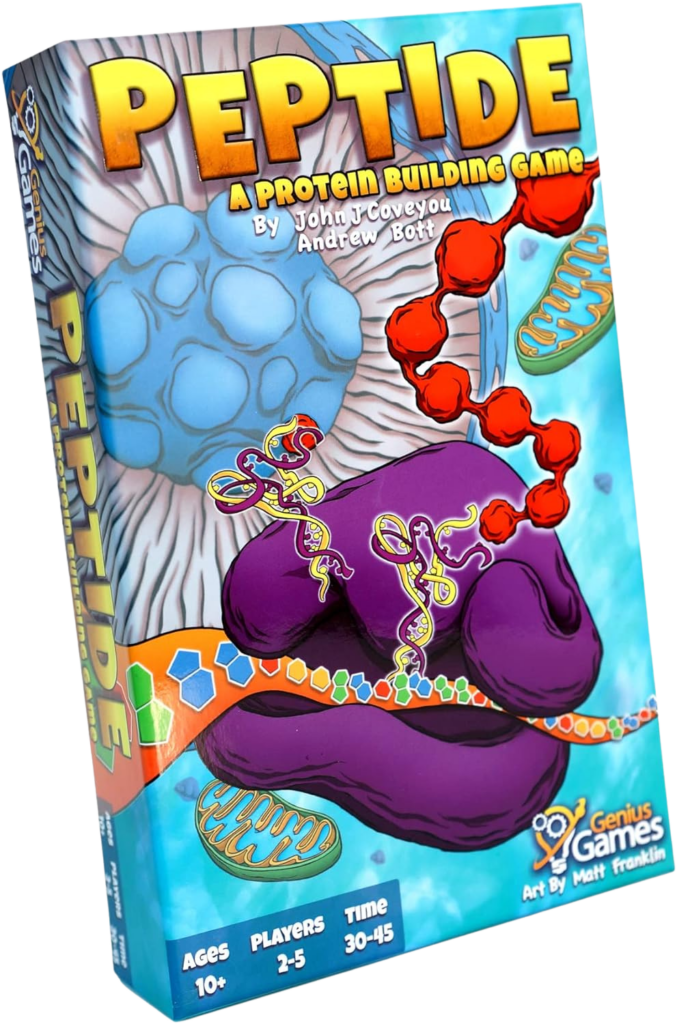
Have fun learning biology with this card game! Players compete to link amino acids side by side to create peptide chains, the fancy scientific name for protein.
While playing at school or home, students and teachers can review the following biology concepts: RNA to protein translation, polypeptide chains, proteins, amino acids, vacuoles, mitochondria, nucleus, ribosomes, mRNA, tRNA, and ATP.
- Number of players: 2 to 5
- Age range: 10+
- Average playing time: 30 to 45 minutes
Emotional Roller Coaster Psychology Board Game
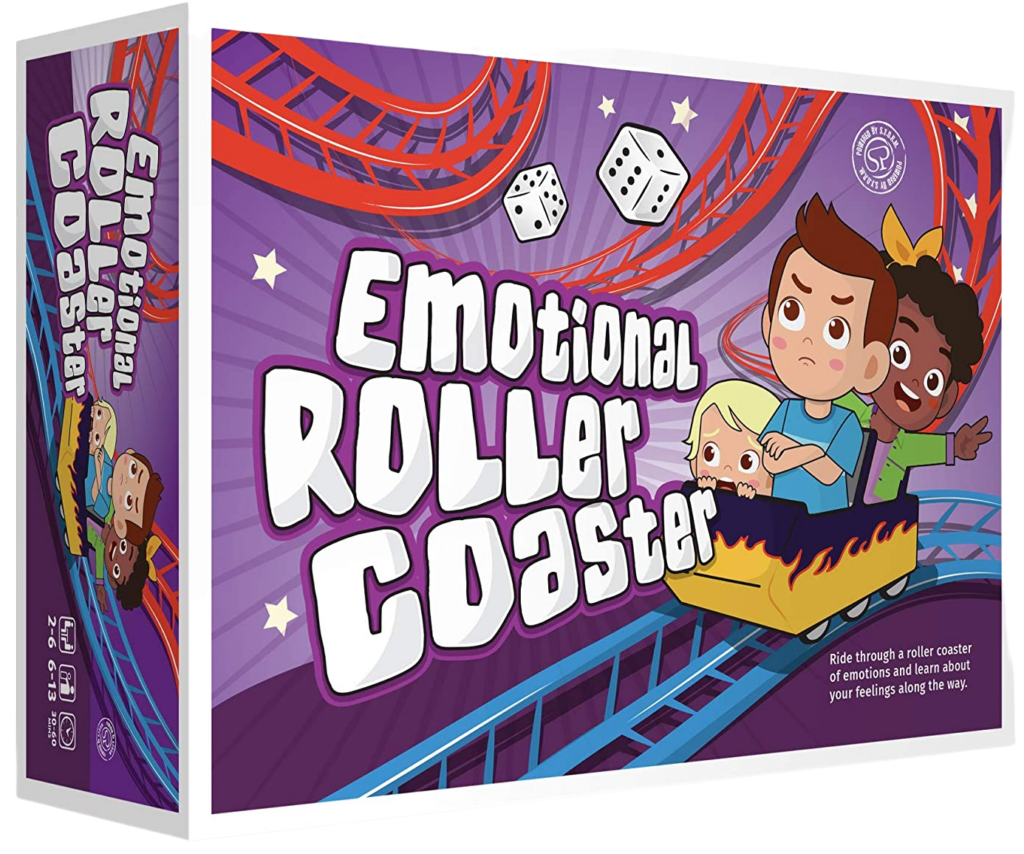
The mind and body are closely connected, but feelings can be difficult to discuss. This science game encourages children and parents to learn about problem-solving, naming emotions, and controlling anger. Like Chutes and Ladders, you roll a die to see how many squares you can move across. But there are also chaos squares, chaos cards, and coping strategy cards.
If you are lucky enough to land on a blue coping strategy space, you can draw a coping strategy card and act out the technique. Later, if you land on a red chaos square, your last coping strategy card can prevent you from sliding down from the chaos!
- Number of players: 2+
- Age range: 4+
- Average playing time: 10 to 30 minutes
Benefits of medical science board games
More fun human anatomy games and activities



Published on October 20, 2022. Updated on November 24, 2025 by Betty Choi, MD
Published on October 20, 2022. Updated on November 24, 2025 by Betty Choi, MD

Betty Choi, MD
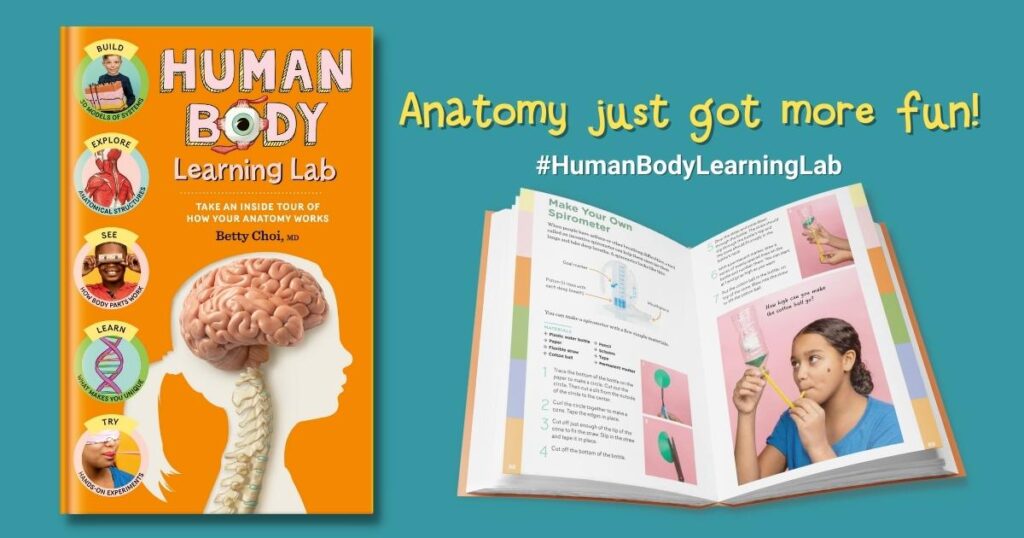
Dr. Betty Choi is a Harvard-trained pediatrician who makes learning fun and doable. She created the kids’ anatomy book Human Body Learning Lab, which Science Magazine recommends as a “notable standout in the genre.”