What’s the Difference Between a Broken Bone and Fracture?
Have you ever wondered about the difference between a broken bone and a fracture? Which one is worse? A lot of kids ask this exact question. Here’s the answer: a fracture and a broken bone are the same thing. They’re just two different words that have the same meaning.
Fracture versus broken bone: Is there a difference?
Doctors, nurses, and other people who work in hospitals use a lot of big words that can sound confusing or even scary. “Fracture” is one of them.
But there is no difference between a fracture and a broken bone. A fracture is just the medical word for a broken bone.
What is a broken bone or fracture?
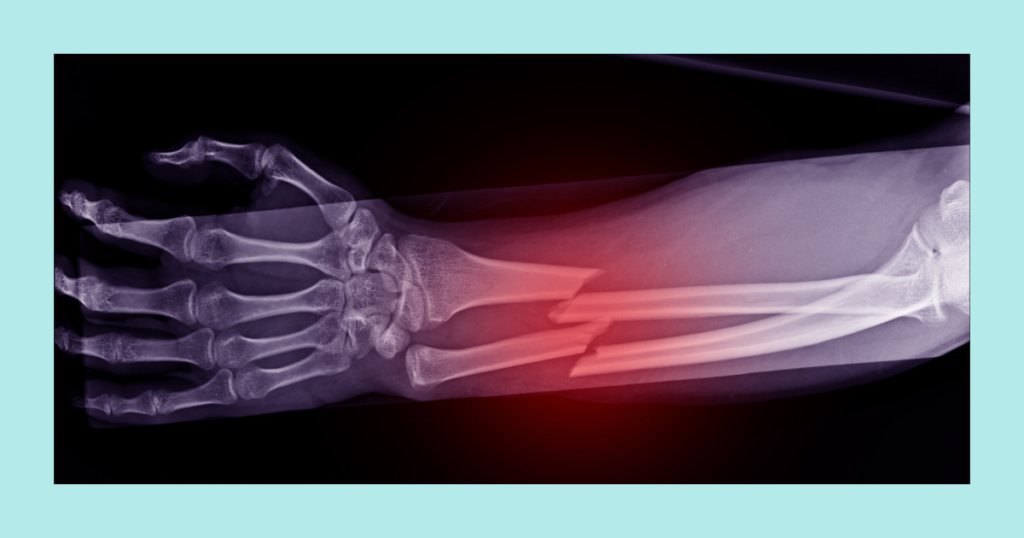
A fracture is any break in a bone, whether it’s a tiny crack or a complete break all the way through. Bones are incredibly strong, but they can break when too much force is applied, like from a hard fall or hit.
Kids’ bones are softer and more flexible than adult bones, because they contain more cartilage. This means they sometimes bend or crack in ways that adult bones don’t. That’s why some fracture types are more common in kids than in grown-ups.
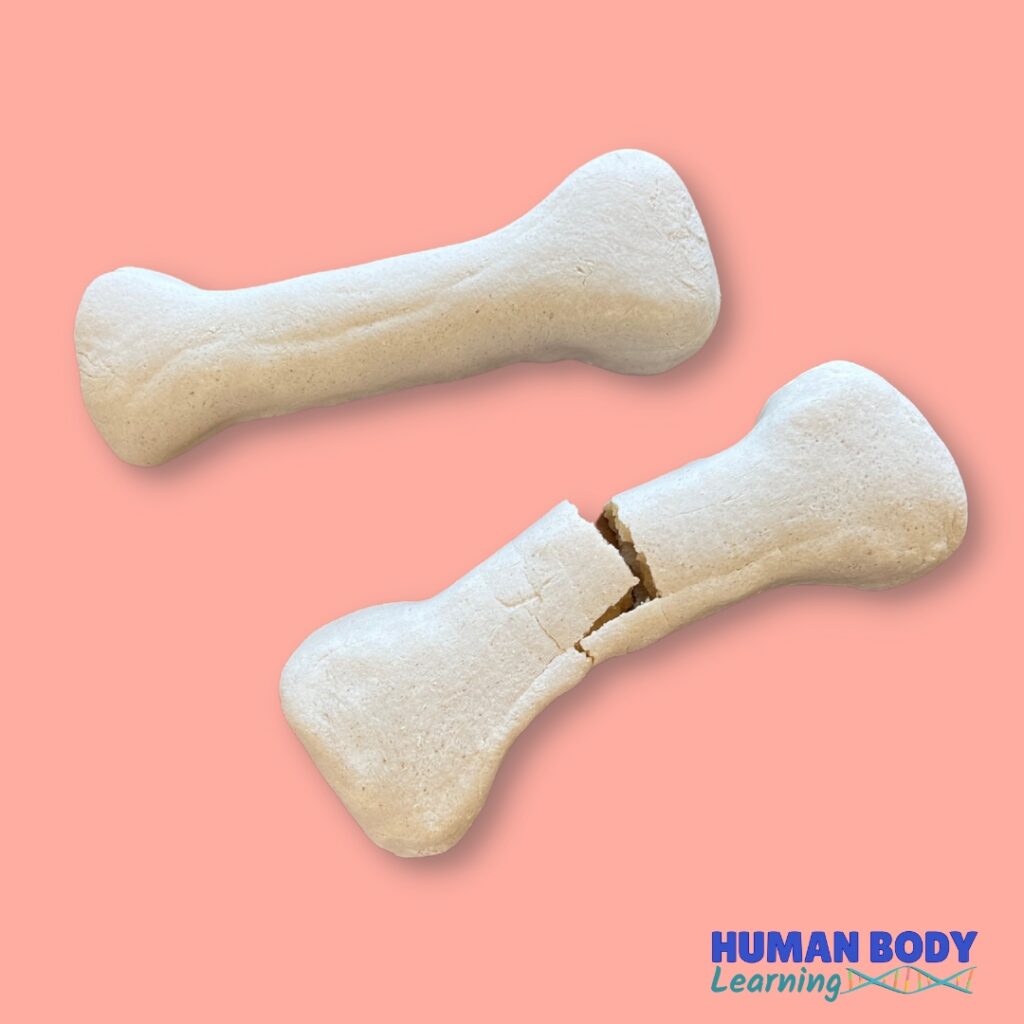
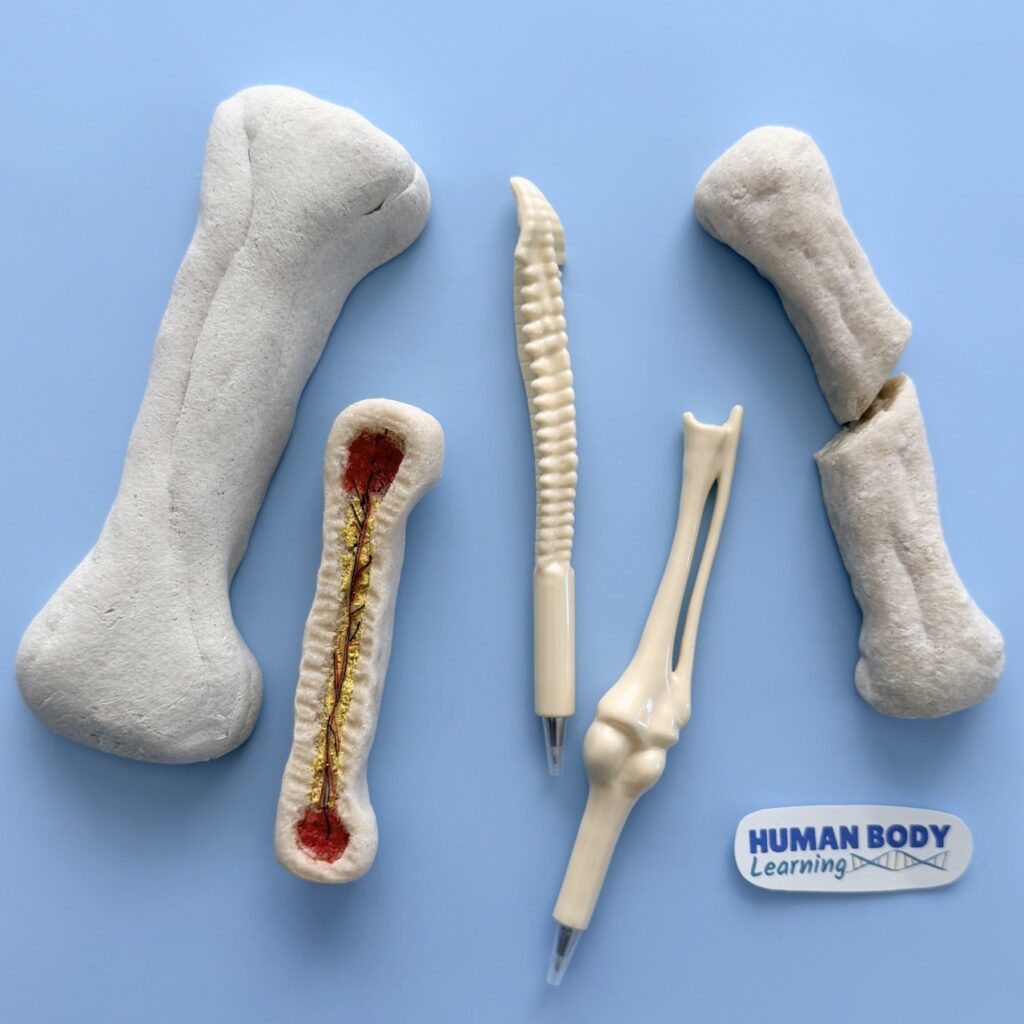
Try this bone-breaking science experiment to see what makes fractures more likely to happen.
Types of fractures
Bones can break in different ways. Here are some that happen most often in kids:
- Greenstick fracture: This is when a bone bends and cracks on one side but doesn’t break all the way through. This type is common in younger kids because younger bones are more flexible.
- Buckle fracture: This happens when a bone gets squished by a sudden force, like landing hard on your hand. Instead of cracking, the bone buckles or bulges outward. It’s one of the most common fractures in kids.
- Stress fracture: Instead of one big injury, this type of fracture builds up over time from doing the same motion over and over, like running or jumping too much. Tiny cracks form in the bone before it has a chance to recover fully.
- Growth plate fracture: Kids have special areas near the ends of their bones called growth plates, where new bone is made. Because growth plates are softer than other parts of bones, they are the weakest parts of the skeleton, making them easier to break.
- Complete fracture: This is when the bone breaks all the way through into two or more pieces. They are more common in older kids and adults, because bones get harder and less flexible with age.
How do you know if you have a broken bone or fracture?
Sometimes you know right away. Other times, it’s harder to tell.
If you break a bone, it will probably hurt a lot, especially if you try to move it or touch it. The area around the break might swell up or turn black and blue from bruising. In more serious breaks, the broken bone can make the area bend in an odd way or even poke through the skin.
But sometimes a fracture doesn’t look like much from the outside at all. That’s where X-rays come in.
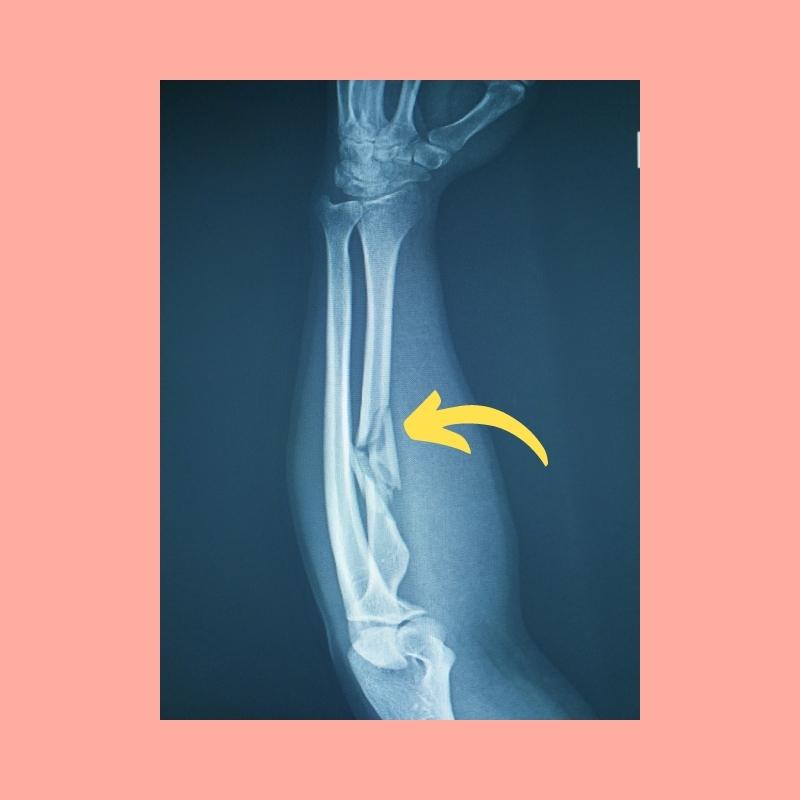
X-rays let doctors see through your skin and muscles to look at the bone underneath. That’s why doctors always take an X-ray when they think a bone might be broken.
On an X-ray, a broken bone might show up as a thin crack, a bend, or a gap where the bone has separated.
In this X-ray, the yellow arrow is pointing to a fracture in a forearm bone.
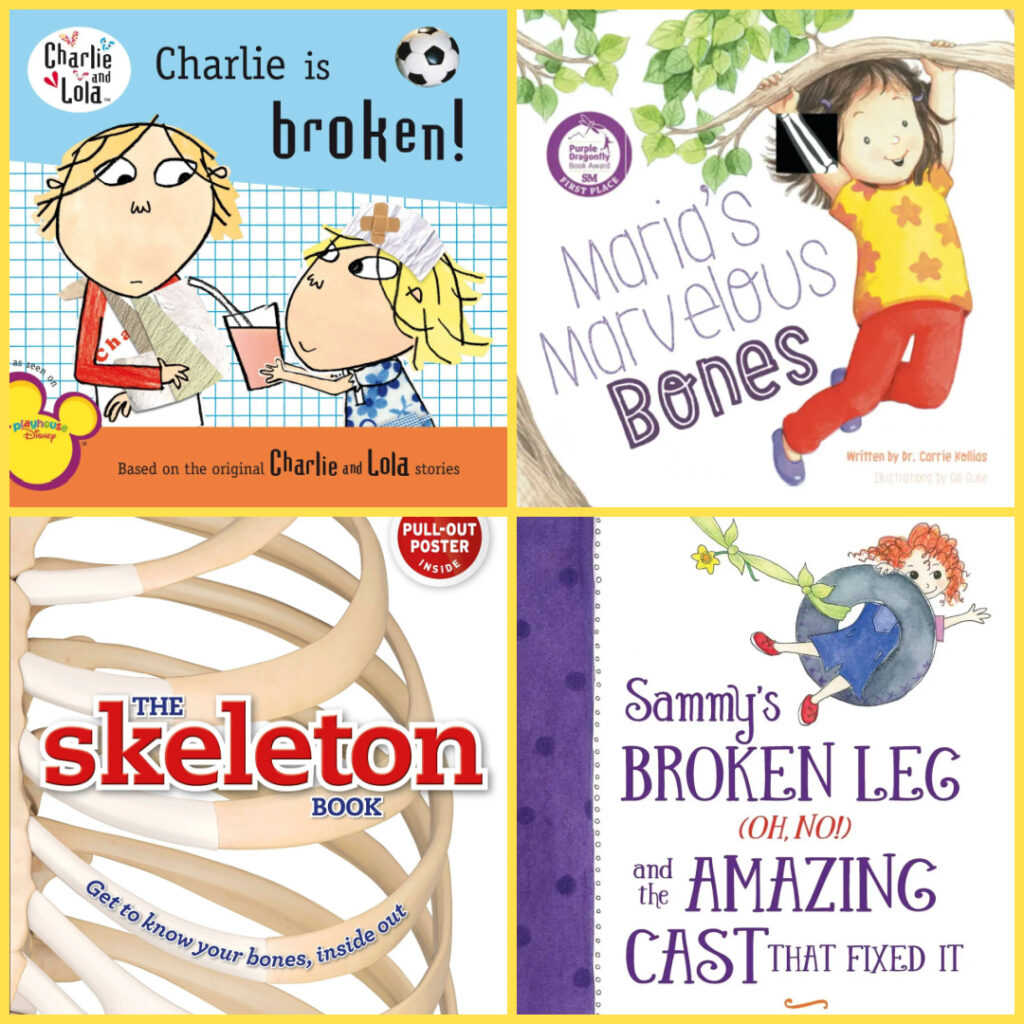
Keep learning about your bones
Published on January 14, 2022. Updated on June 23, 2026 by Betty Choi, MD
Published on January 14, 2022. Updated on June 23, 2026 by Betty Choi, MD

Betty Choi, MD
Dr. Betty Choi is a Harvard-trained pediatrician who makes learning fun and doable. She created the kids’ anatomy book Human Body Learning Lab, which Science Magazine recommends as a “notable standout in the genre.”